Invoice discounting is a technique or a process by which a company can borrow cash from financial institutions on the basis of the invoices… Read Article
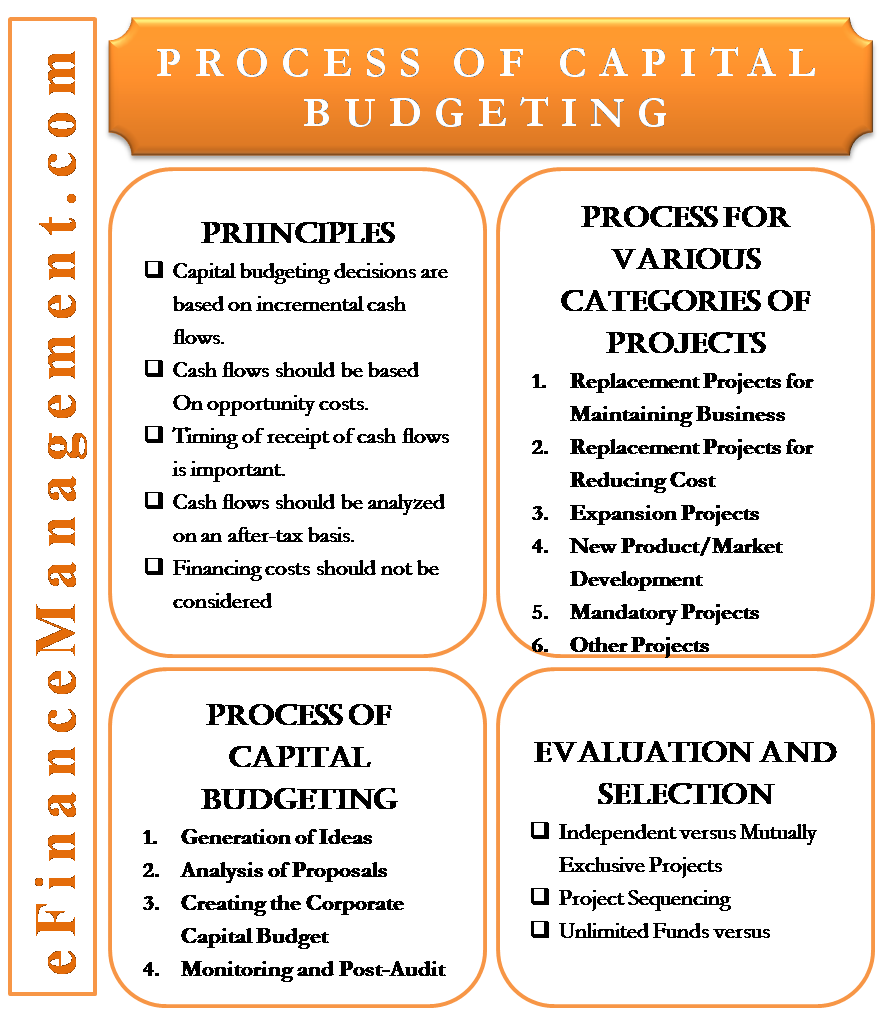
Capital budgeting is perhaps the most important decision for a financial manager. Since it involves buying expensive assets for long-term use, capital budgeting decisions… Read Article
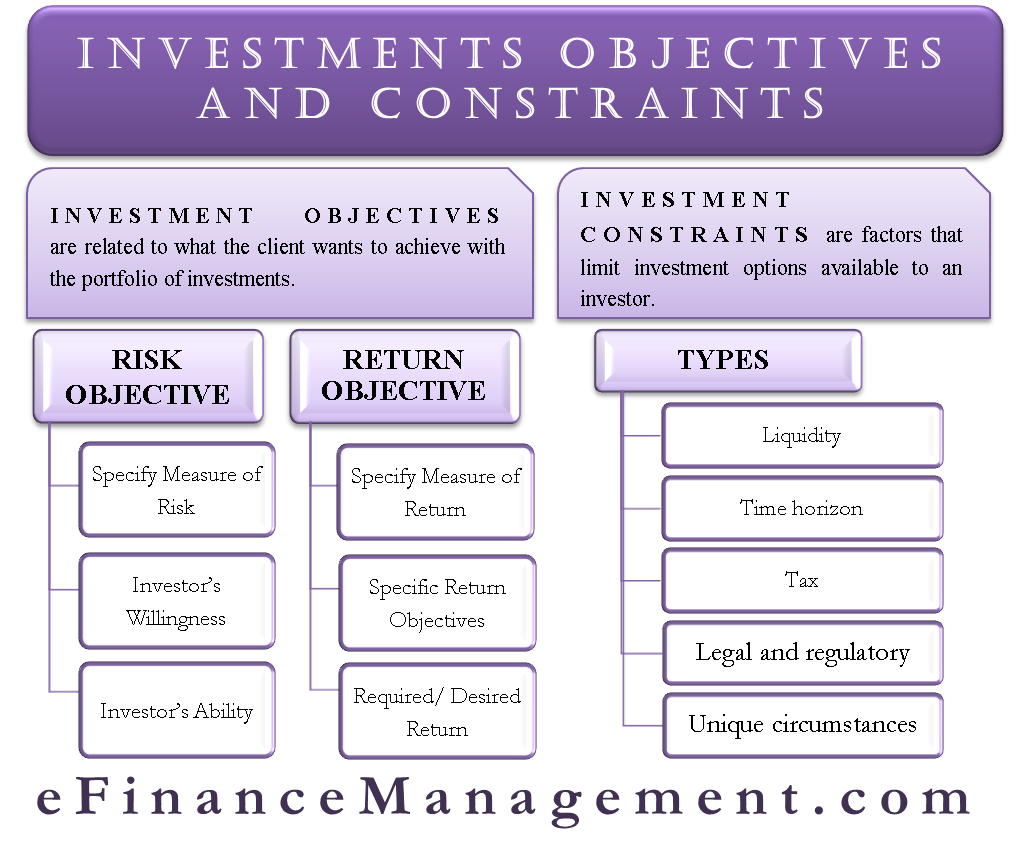
Investment objectives and constraints are the cornerstones of any investment policy statement. A financial advisor/portfolio manager needs to formally document these before commencing the… Read Article
The portfolio management process is an ongoing way of managing a client’s portfolio of assets. There are various components and sub-components of the process… Read Article
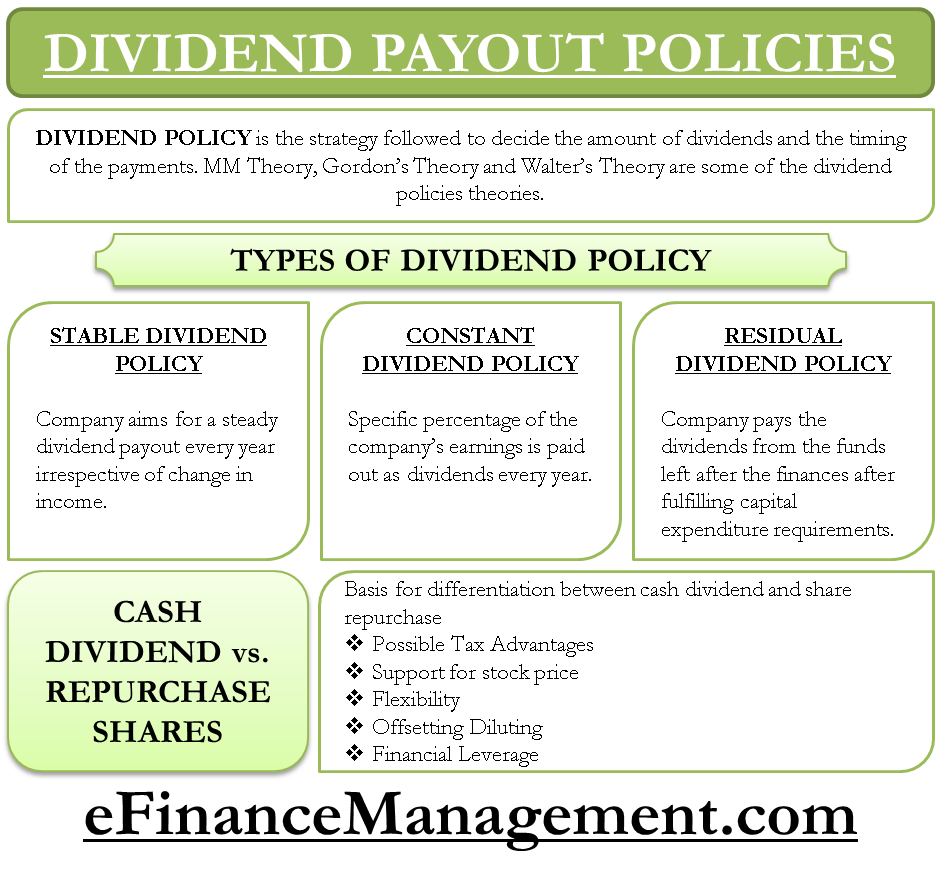
Dividend policies are one of the important decisions that a company takes. Several factors affect the company’s payout policy, which includes various types of… Read Article
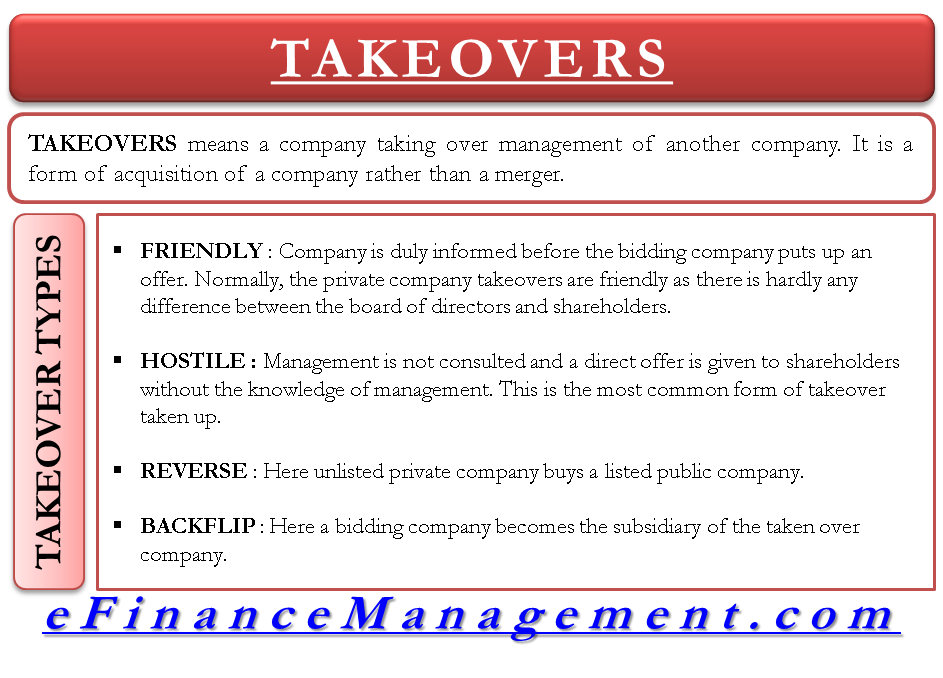
A takeover is a corporate restructuring strategy. It generally means a company taking over the management of another company. It is a form of… Read Article
Mergers and acquisitions (M&A) are complex transactions that involve the consolidation of companies through various strategic agreements. These deals can be transformative for organizations,… Read Article
A merger is a combination of two or more companies into one company. Generally, the motives of mergers are to enhance the competitiveness of… Read Article
Mergers and acquisitions are the ways in which businesses get combined. They can be a little intricate to understand all the legal and tax… Read Article
Depreciation is a very important and real operating expense. Although it is a non-cash expense and does not require any current cash outflow, nonetheless… Read Article
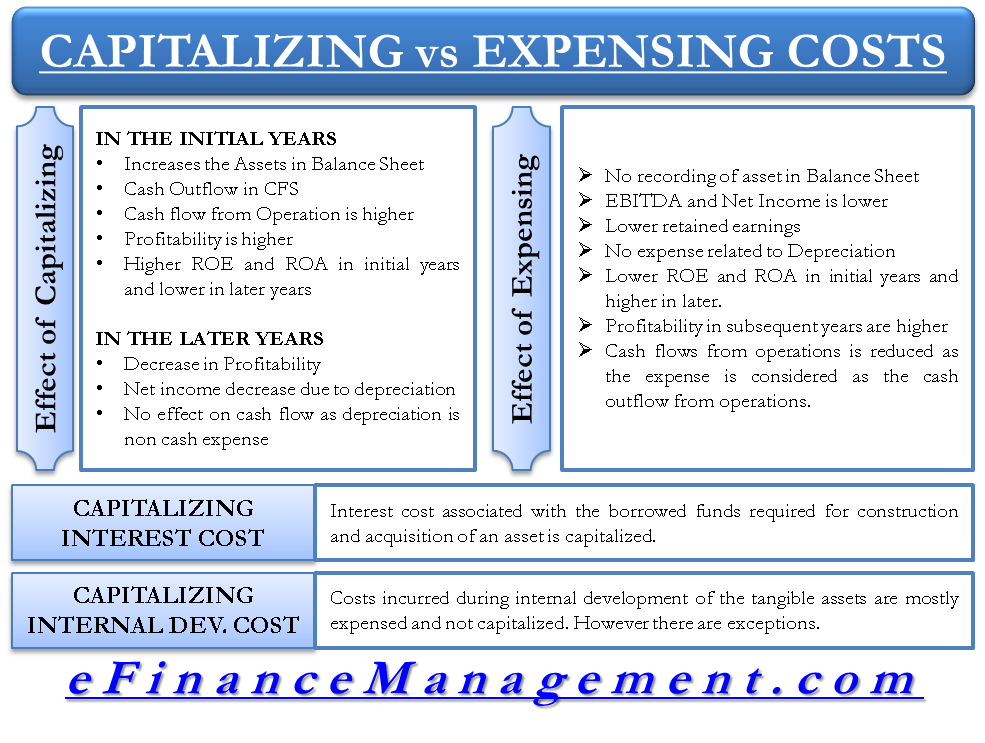
Capitalizing versus expensing different costs during the accounting of long-lived assets will have an effect on the company’s profitability, financial ratios, and trends. Both… Read Article